
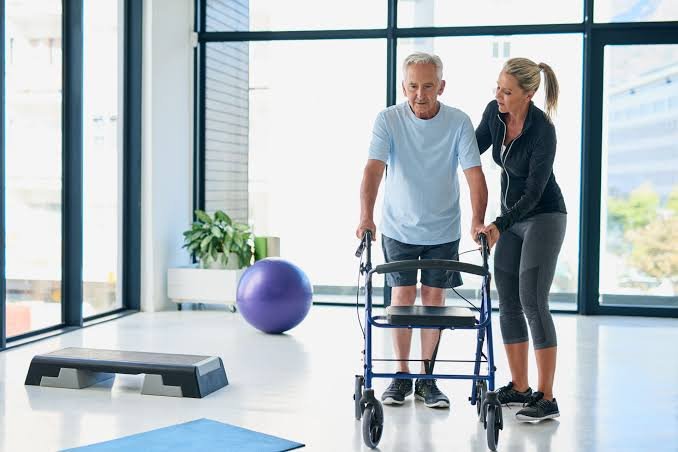
A fall can affect more than physical health. It may reduce confidence, make someone less willing to leave home and lead to lower activity levels. But falls are not an unavoidable part of getting older.
Risk can come from several sources, including reduced strength, balance problems, poor vision, medication effects, unsuitable footwear, dizziness, health conditions and hazards at home. A useful plan looks at the person rather than one factor in isolation.
How physiotherapy may help
A physiotherapist may assess:
- walking speed and pattern
- leg strength
- standing balance
- ability to rise from a chair
- steps and stairs
- confidence during movement
- walking aids and how they are used
- the activities that matter at home and outside
The results can guide a personal exercise programme. Exercises may work on leg strength, balance, coordination, flexibility and safe practice of daily movements.
The NHS strength and flexibility guidance states that exercises for leg strength, balance and coordination can help people maintain muscle strength and avoid falls as they get older.
Start at the right level
Balance exercises need the right amount of challenge, but they must also be safe. Someone who is unsteady should not copy unsupported standing exercises without knowing whether they are suitable.
A physiotherapist can choose stable starting positions, advise on support and progress exercises as control improves. The programme can also account for pain, arthritis, neurological conditions, surgery or other health concerns.
Look beyond exercise
Simple practical checks may also help:
- remove loose rugs, clutter and trailing cables
- improve lighting, particularly near stairs and at night
- wear secure, well-fitting footwear
- check that walking aids are stable and correctly adjusted
- arrange vision and hearing checks when needed
- ask a GP or pharmacist for a medication review if dizziness or drowsiness is a concern
What if someone has already fallen?
Seek urgent help after a fall if there may be a head injury, fracture, severe pain or a new medical problem. If the person cannot get up, is injured or becomes unwell, call for assistance rather than repeatedly trying to lift them.
Even without an obvious injury, tell a GP or healthcare professional about repeated falls, new unsteadiness or a sudden change in balance. Sudden balance problems with weakness, speech difficulty, altered vision or severe headache need urgent medical assessment.
Rebuilding confidence
Fear of falling can lead people to move less. That can reduce strength further. A graded programme allows someone to practise meaningful tasks in a controlled way and build confidence alongside physical ability.
Arrange a balance assessment
Crestwell Medical provides falls prevention, balance assessment and elderly rehabilitation. We can help develop a programme around mobility, confidence and independence. Book an appointment with our team.
This article provides general information. New or worsening balance problems should be medically assessed.