
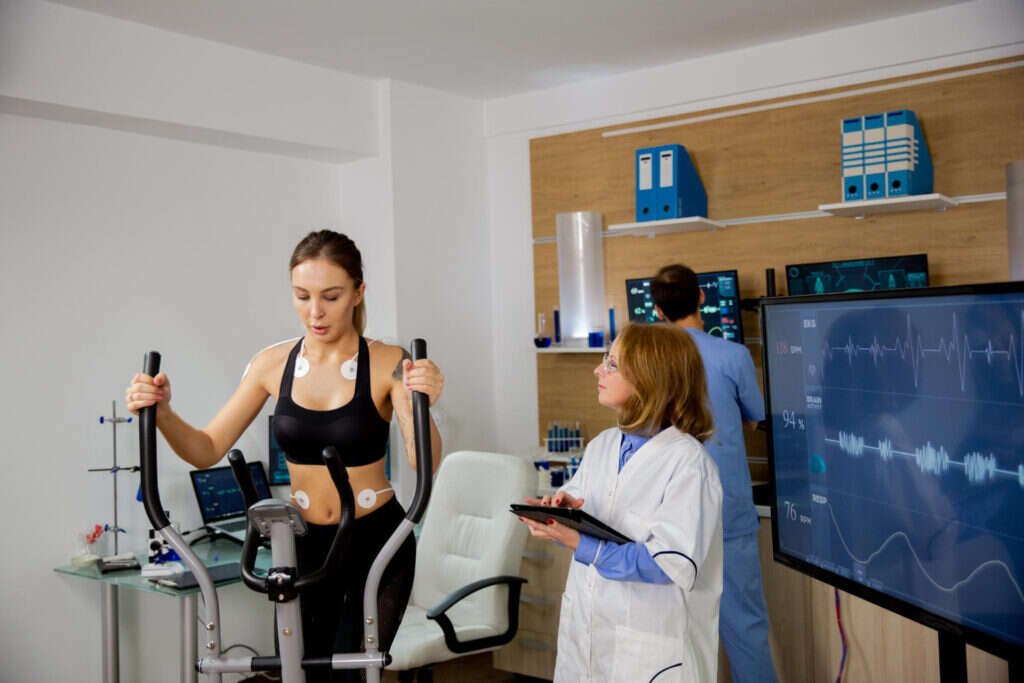
After a heart attack, heart surgery or another cardiac event, it is common to feel uncertain about exercise. Cardiac rehabilitation provides supervised support for returning to activity and managing heart health.
Your hospital and cardiac team should advise when rehabilitation can begin. Their instructions take priority because the right starting point depends on the condition, treatment and other health issues.
What does cardiac rehabilitation include?
Cardiac rehabilitation is more than an exercise class. A programme may include:
- an assessment of symptoms and current ability
- safe, progressive physical activity
- education about the heart condition and medication
- support with risk factors and lifestyle changes
- help with confidence, anxiety or low mood
- planning a return to work and everyday activity
The NHS guidance on coronary heart disease recovery explains that programmes are tailored to age, fitness and other medical conditions.
Build up gradually
Exercise may begin at a level such as comfortable walking or controlled cycling, with intensity adjusted to the person. The team may monitor symptoms, heart rate or blood pressure where appropriate.
Do not copy another person’s programme. Recovery after a heart attack may differ from recovery after surgery or heart failure.
Know when to stop
Stop activity and seek advice if you develop unusual breathlessness, dizziness, palpitations or pain. Call 999 for chest pressure or pain that does not settle, severe breathing difficulty, fainting or symptoms of a possible heart attack.
Ask about cardiac rehabilitation
Crestwell Medical can support movement and conditioning in line with advice from your cardiac team. Book an appointment to discuss cardiac rehabilitation.
This article provides general information and does not replace advice from your cardiologist or cardiac rehabilitation service.