
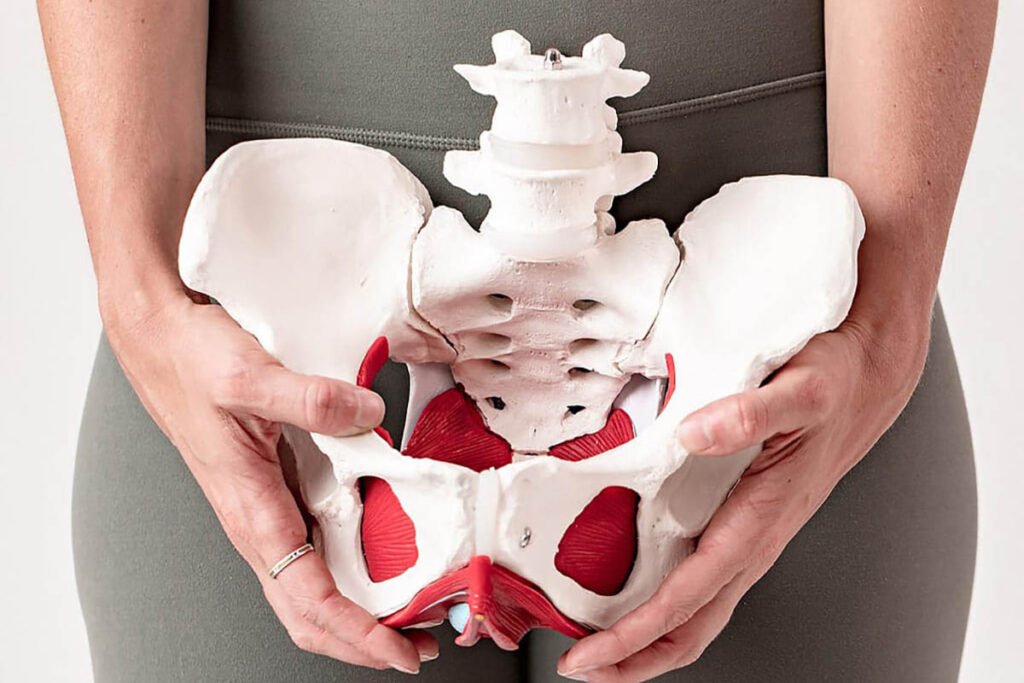
Pelvic floor problems are common, but many people delay seeking help because the symptoms feel private or embarrassing. Pelvic health physiotherapy provides confidential assessment and treatment for problems involving the pelvic floor and surrounding muscles.
Care can support women and men at different stages of life. You should be treated with dignity, given a clear explanation and asked for consent throughout your appointment.
What does the pelvic floor do?
The pelvic floor is a group of muscles at the base of the pelvis. These muscles help support the bladder and bowel, contribute to continence and sexual function, and work with the abdominal and back muscles during movement.
A pelvic floor can be weak, poorly coordinated, overactive or unable to relax fully. This is why simply doing more squeezing exercises is not the right answer for every symptom.
Which problems may be assessed?
Pelvic health physiotherapy may be used as part of care for:
- bladder or bowel leakage
- urinary urgency or frequency
- pelvic organ prolapse symptoms
- pelvic pain
- constipation linked to pelvic floor function
- pregnancy-related discomfort
- postnatal recovery
- recovery following some pelvic or prostate procedures
- difficulty identifying, contracting or relaxing the pelvic floor
King’s College Hospital describes pelvic health physiotherapy as specialist care focused on the pelvic area and associated conditions, including incontinence, prolapse, pelvic pain and constipation.
What happens at an appointment?
The first part is usually a conversation about your symptoms, health, medication, childbirth or surgery history where relevant, daily activities and goals. You can ask questions and tell the physiotherapist if there is anything you do not wish to discuss or do.
An assessment may look at breathing, posture, back or hip movement and abdominal function. In some cases, an internal pelvic floor examination may be suggested. It should only happen after the reason and alternatives have been explained and you have given informed consent. You can decline or stop the examination at any time.
Treatment is individual
Your plan may include pelvic floor strengthening, relaxation, breathing work, bladder or bowel advice, movement exercises and ways to manage pressure during lifting, coughing or exercise.
Correct technique matters. Cambridge University Hospitals notes in its pelvic floor exercise guidance that the muscles need to contract, work with the core and relax. A physiotherapist can assess the muscles and provide more specific advice.
When to speak to a doctor
Seek medical advice for unexplained bleeding, blood in urine or stool, fever, a new lump, unexplained weight loss, severe pain or symptoms that change suddenly. Physiotherapy does not replace investigation of possible medical causes.
Talk to Crestwell Medical
Our services include women’s health, men’s pelvic health, pelvic floor rehabilitation, continence support, pregnancy and postnatal physiotherapy. Book an appointment to discuss your needs confidentially.
This article is for general information and does not provide a diagnosis.