
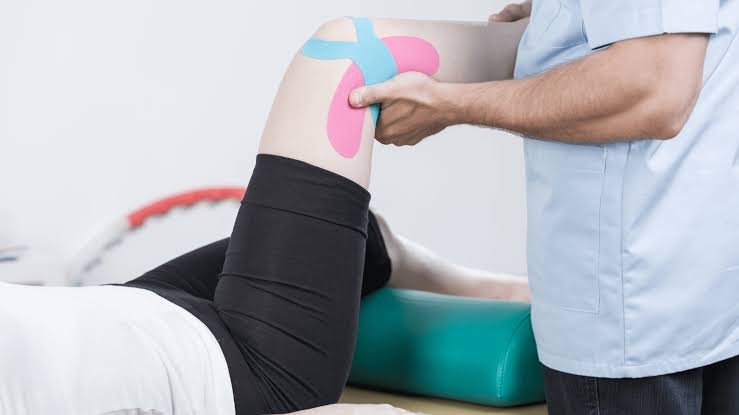
Joint replacement surgery is followed by a period of healing and rehabilitation. Physiotherapy can help you regain safe movement, rebuild strength and return to everyday activities at a pace that suits your operation and general health.
Your surgeon and hospital team should provide specific instructions. These take priority because recovery differs between people and procedures.
The early stage
Hospital physiotherapists usually help patients begin moving soon after surgery. Early goals may include getting in and out of bed, standing, walking with an appropriate aid and managing steps safely where needed.
After a knee replacement, the NHS recovery guidance says that nurses and physiotherapists help patients start walking soon after the operation. It also advises following the exercises given by the physiotherapist.
Pain, swelling and bruising can occur after surgery. Medication, rest, positioning and other measures should be used as advised by your surgical team. Contact the hospital if you have concerns about your wound, sudden or increasing swelling, chest pain, breathing difficulty, fever or pain that is worsening unexpectedly.
What rehabilitation may work on
Walking
You may initially use crutches, a frame or a stick. A physiotherapist can check that the aid is the right height, show you how to use it and help you progress when it is safe.
Joint movement
Exercises may be used to improve bending and straightening after a knee replacement, or comfortable movement following a hip replacement. The programme should follow any precautions from your surgical team.
Strength
Muscles around the operated joint can become weaker before and after surgery. Rehabilitation commonly works on the legs, hips and trunk so that standing, walking and stairs become easier.
Daily activities
Recovery goals often relate to real life: getting dressed, preparing food, using stairs, shopping, working or returning to hobbies. The plan can be built around these tasks.
Progress is not always a straight line
Some days will feel easier than others. A sudden jump in activity may lead to more soreness or swelling. It can help to spread demanding tasks through the day and build walking or exercise in manageable amounts.
Your programme should be reviewed if exercises become too easy, remain too difficult or repeatedly cause a marked increase in symptoms.
How long does recovery take?
There is no single timetable. The NHS notes that full recovery from knee replacement may take several months or longer, depending on factors such as age and general health. The type of work, home environment and activities you want to resume also affect the process.
Continue your rehabilitation with us
Crestwell Medical provides orthopaedic, post-surgery and joint replacement rehabilitation. We can work with the instructions supplied by your hospital team and focus on your mobility and function. Book a physiotherapy appointment.
This information does not replace advice from your surgeon or hospital team.